
one way mirror sheet
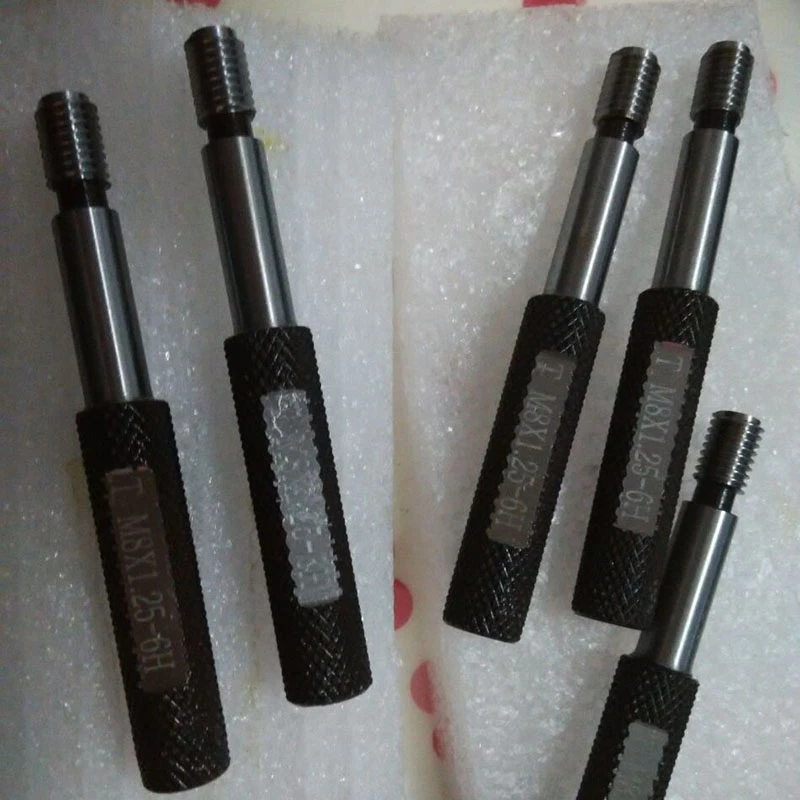
Understanding Internal Bore Gauges A Key Tool in Precision Measurement In the world of manufacturing and engineering, precision is paramount. Components must meet exact specifications to ensure proper fit and function, especially in industries such as automotive, aerospace, and machinery. One of the essential tools in achieving this accuracy is the internal bore gauge. This specialized instrument plays a critical role in measuring the internal diameters of cylindrical objects, such as boreholes and pipes, where traditional measurement methods may fall short. What is an Internal Bore Gauge? An internal bore gauge is designed specifically for measuring the inside dimensions of holes, tubes, and other cylindrical objects. Unlike external calipers that measure the outside diameter, bore gauges focus on internal features, providing precision measurements crucial for quality control and assessment. These gauges come in various forms, with some utilizing mechanical means and others relying on electronic technology to provide readouts. Types of Internal Bore Gauges There are primarily two types of internal bore gauges – mechanical and electronic . 1. Mechanical Bore Gauges These gauges often consist of a set of extending arms or probes that fit inside the bore. The user inserts the tool into the bore, expands the arms to contact the internal surface, and then removes it for measurement against a calibrated reference or measuring scale. Mechanical gauges are durable, straightforward, and usually do not require batteries or complex calibration. 2. Electronic Bore Gauges These modern devices use electronic sensors to measure dimensions automatically. They often come equipped with digital displays that provide instantaneous readings, making them faster and easier to use than their mechanical counterparts. Additionally, many electronic bore gauges can interface with computer systems for data collection and analysis, enhancing workflow efficiency in manufacturing environments. How to Use an Internal Bore Gauge Using an internal bore gauge involves several straightforward steps internal bore gauge 1. Preparation Ensure the gauge is clean and well-calibrated. Understand the specifications of the bore you intend to measure. 2. Insertion Carefully insert the gauge into the bore, avoiding any force that could potentially damage the measuring instrument or alter the bore’s dimensions. 3. Adjustment Expanding the arms (in mechanical gauges) or aligning the probes (in electronic gauges) to contact the internal walls of the bore is key. Ensure a snug fit without excessive pressure. 4. Reading the Measurement Once the gauge is positioned correctly, remove it from the bore and read the measurement from either the scale or digital display. 5. Verification For accuracy, it’s often recommended to take multiple measurements at different depths or positions to account for any imperfections in the bore. Importance of Internal Bore Gauges The importance of internal bore gauges cannot be overstated. They ensure that the internal diameters of a product are consistent with design specifications, which is critical for components that fit together in assemblies. An incorrect diameter can lead to mechanical failure, safety hazards, and increased costs due to reworking or replacing defective parts. Moreover, regular use of bore gauges can significantly reduce waste in manufacturing, as they help identify potential issues before the production process moves too far along. This proactive approach not only saves time but also enhances the overall quality of the products being produced. Conclusion In summary, internal bore gauges are indispensable tools in the field of precision measurement. Whether in mechanical or electronic form, these gauges provide essential insights into the internal dimensions of cylindrical objects, guiding manufacturers to achieve the precision needed for quality assurance. As industries continue to demand higher accuracy, the relevance and application of internal bore gauges will only continue to grow, making them vital components in the toolbox of engineers and quality control professionals alike.
about
one way mirror sheet
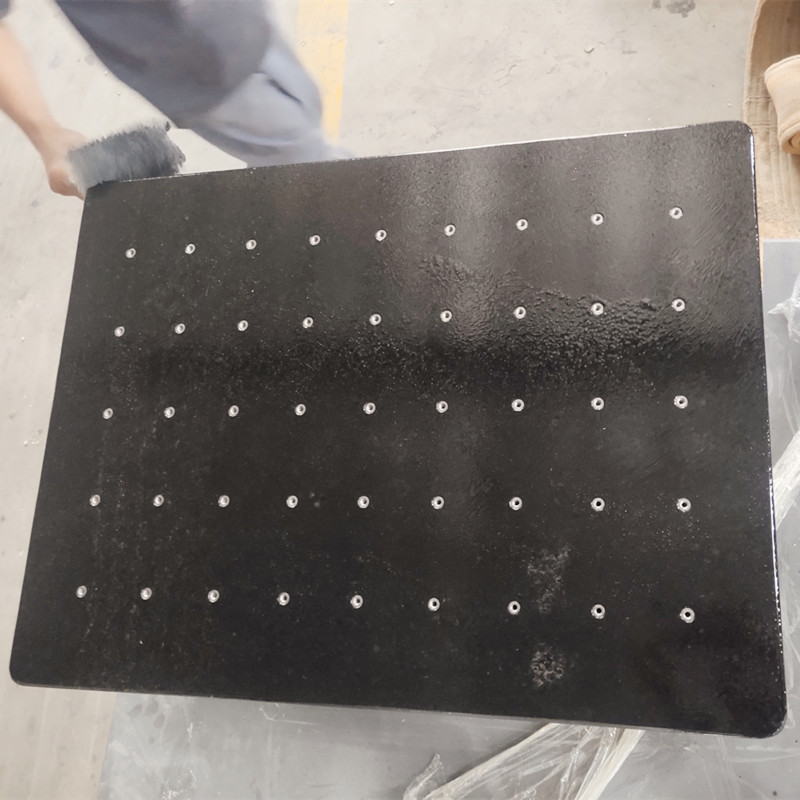
Mga Custom Built Welding Tables Isang Gabay sa mga Benepisyo at Pagpili Ang welding ay isang mahalagang bahagi ng maraming industriya, mula sa pagmamanupaktura hanggang sa konstruksiyon. Ang paggamit ng tamang equipment, tulad ng custom built welding tables, ay maaaring magpataas ng kalidad ng trabaho at kahusayan ng mga welder. Sa artikulong ito, tatalakayin natin ang mga benepisyo ng mga customized welding tables at mga bagay na dapat isaalang-alang sa pagpili ng tamang table para sa iyong pangangailangan. Mga Benepisyo ng Custom Built Welding Tables 1. Pagsasaayon sa Partikular na Pangangailangan Ang isang custom built welding table ay dinisenyo upang umangkop sa mga partikular na pangangailangan ng iyong proyekto. Hindi lahat ng welding jobs ay pareho; may mga trabaho na nangangailangan ng mas malaking surface area, habang ang iba naman ay nangangailangan ng mas mataas o mababang taas. Ang pagkakaroon ng isang customized table ay nagbibigay-daan sa iyo upang maisagawa ang mga ito ng mas maginhawa at epektibo. 2. Tibay at Katatagan Ang mga welding table na gawa ayon sa espesipikong sukat at disenyo ay karaniwang mas matibay. Ito ay dahil ang mga ito ay pwedeng gamitin ang mga high-quality na materyales na kayang tiisin ang mataas na temperatura at mga tibok ng kemikal mula sa welder. Ang solidong konstruksyon ng isang custom table ay nagreresulta sa mas mahabang buhay ng kagamitan at mas magandang resulta sa trabaho. 3. Pagpapabuti ng Kahusayan at Productivity Ang isang mahusay na dinisenyong welding table ay nagpapadali sa mga gawain ng mga welder. Isang magandang layout na may tamang pagkakaayos ng mga tools at equipment ay nakakatulong upang mapagaan ang proseso ng trabaho. Sa ganitong paraan, ang oras na ginugugol sa paghahanap ng mga tool o ayos ng mga materyales ay nababawasan, na nagreresulta sa mas mataas na productivity. 4. Kaligtasan Ang welding ay may kasamang panganib. Ang isang custom built welding table na may mga tampok tulad ng anti-slip surfaces at mga espesyal na device na makakatulong sa paghawak ng mga materyales ay nagiging mas ligtas na kapaligiran para sa mga welder. Ang pagkakaroon ng tamang equipment ay nakatutulong upang maiwasan ang mga aksidente sa lugar ng trabaho. custom built welding tables Mga Dapat Isaalang-alang sa Pagpili ng Custom Built Welding Table 1. Sukat at Disenyo Isaalang-alang ang mga sukat ng materyales at ang espasyo sa paligid ng table. Ang disenyo ay dapat naaayon sa uri ng welding na gagawin. 2. Materyales Pumili ng mga materyales na tumutugon sa mga pangangailangan ng iyong trabaho at kayang tiisin ang init at maging mga sparks mula sa welding. 3. Karagdagang Tampok Isaalang-alang ang mga ekstra tulad ng mga clamp, holding fixtures, at utilities na maaari mong kailanganin. 4. Budget Alamin ang iyong badyet at hanapin ang mga table na maaring ipasadya sa loob ng iyong pisikal na kakayahan, ngunit hindi isinasakripisyo ang kalidad. Sa pangkalahatan, ang custom built welding tables ay isang mahusay na investment para sa mga business na nangangailangan ng mataas na kalidad ng welding. Ang halaga nito ay nagmumula sa pagsasaayos ng surface, tibay, at pag-promote ng isang ligtas na kapaligiran para sa mga manggagawa.
-

High quality industrial productsagement

High quality industrial products
View Details -

Meet the diverse needs of customers

Meet the diverse needs of customers
View Details -

Strict quality control

Strict quality control
View Details -

Top raw materials

Top raw materials
View Details -

Trusted supplier

Trusted supplier
View Details
Our application


news and information

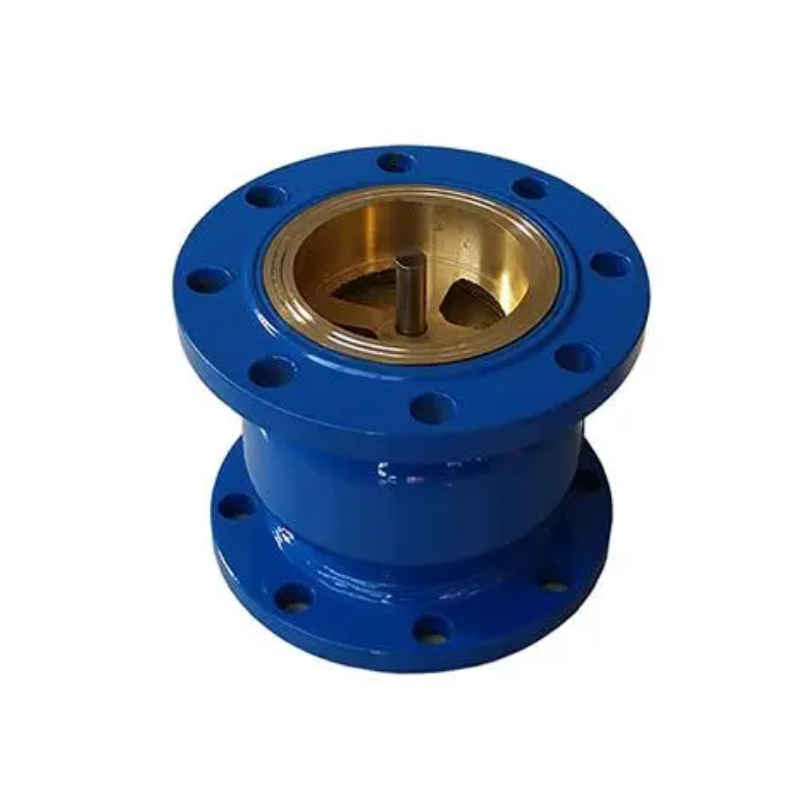
Valvola di ritegno libera
Valvole di Chiusura Un Elemento Fondamentale nelle Infrastrutture Industriali Le valvole di chiusura
Valve Wholesale - High-Quality Valve Supply for All Industrial Needs
Understanding Valve Wholesale An Essential Component in Industrial Supply Chains In the realm of ind

Valve Manufacturing Techniques for Enhanced Efficiency and Quality Control
valve factory .
 English